

The fascinating journey of gambling From ancient rituals to modern casinos
The Origins of Gambling: Ancient Rituals and Practices
The history of gambling dates back thousands of years, rooted in ancient rituals that were often tied to spiritual beliefs and societal customs. Archaeological findings suggest that the practice of gambling began with simple games of chance, using items like bones or stones. These early forms of gambling were often intertwined with religious practices, as communities would gamble on the outcomes of events or rituals believed to be influenced by divine forces. Today, you can explore online platforms like https://jetcasinos.de that offer a range of gaming options that modern technology has brought to the forefront.
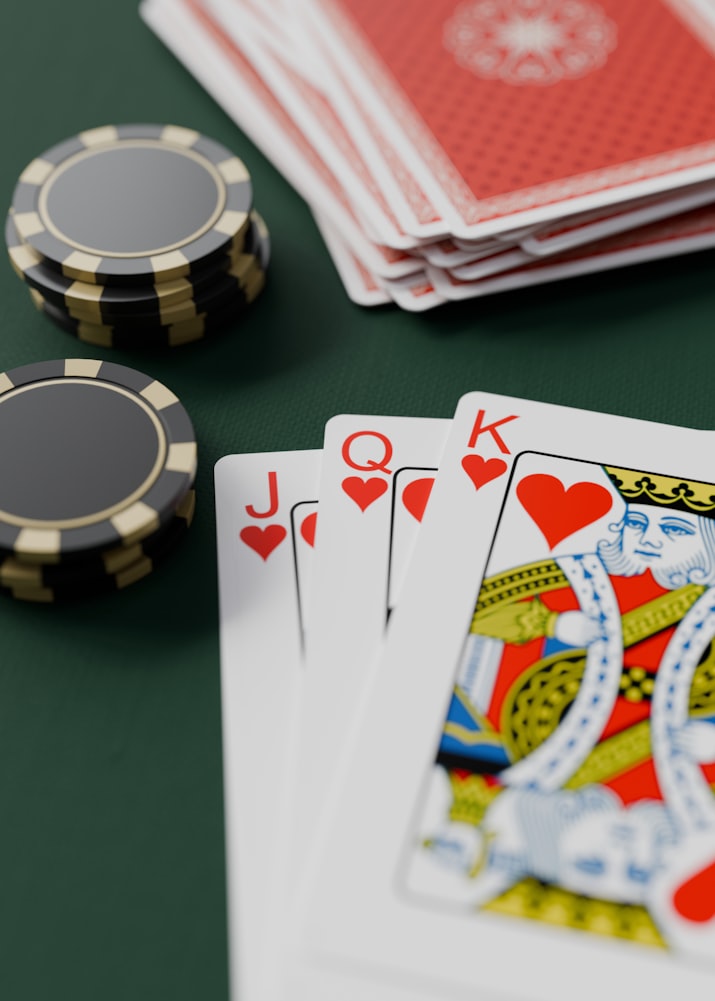
In ancient civilizations, such as those in Mesopotamia and Egypt, gambling was not only a source of entertainment but also served a purpose in social and economic interactions. For example, the ancient Egyptians played a game called Senet, which involved a board and pieces that were moved based on dice rolls. This game was likely used to reflect the balance of life and the afterlife, reinforcing the cultural significance of gambling.
As societies evolved, so too did the complexity of gambling activities. The Romans, for instance, embraced betting on gladiatorial contests and chariot races, and they established laws to regulate gambling activities. This marked a shift towards more organized forms of gambling, setting the stage for its development into a popular pastime that would spread across cultures and continents.
The Evolution of Gambling in the Middle Ages
The Middle Ages saw a dramatic transformation in gambling practices, influenced by the social and political climates of the time. During this period, gambling became increasingly associated with nobility, as many aristocrats indulged in games like chess and card games. These activities not only served as entertainment but also as a means to display social status and intelligence.
In addition to noble circles, gambling also found its way into the lives of everyday people, with street games and informal betting gaining popularity. The invention of playing cards in the late 14th century in Europe revolutionized gambling, leading to the creation of new games that would capture the interest of various social classes. These developments laid the groundwork for the more structured gambling venues that would emerge in the following centuries.
By the end of the Middle Ages, gambling began to be recognized as a formal activity, prompting the establishment of rules and regulations to govern it. This period also marked the rise of lotteries, which were used by governments to fund various projects and public works, further intertwining gambling with societal development.
The Rise of Modern Gambling: The 18th and 19th Centuries
The 18th century marked a significant turning point in the history of gambling, with the emergence of established gambling houses and the proliferation of betting practices in Europe. The creation of the first official casino in Venice in 1638 is often cited as a pivotal moment in the evolution of gambling. This establishment was designed for the elite, offering various games of chance in a luxurious setting, which attracted players from across the continent.
As the popularity of gambling spread, so did the establishment of rules and regulations aimed at ensuring fair play. The first modern gambling laws were enacted in the 19th century, particularly in England, where the Betting Act of 1853 provided a framework for regulating betting activities. This led to the establishment of licensed betting houses, legitimizing gambling and facilitating its growth within society.
The advent of the Industrial Revolution also contributed to the expansion of gambling, as increased mobility and urbanization led to the establishment of more casinos and betting establishments. This period saw the rise of iconic games such as poker and blackjack, which became staples in American gambling culture and further solidified gambling’s place in modern entertainment.
Gambling in the 20th Century: Regulation and Globalization
The 20th century brought about a wave of change in the gambling landscape, with increased regulation and the advent of online gambling. Following the Great Depression, many jurisdictions recognized the potential of gambling as a source of revenue, leading to the legalization of casinos and betting houses in various regions. Las Vegas emerged as a gambling capital, attracting tourists with its flashy casinos and vibrant entertainment.
During this time, the rise of organized crime also played a notable role in the gambling industry, as various syndicates sought to control illicit betting operations. This led to a push for regulation, culminating in the establishment of laws that aimed to create a safer and more responsible gambling environment. The introduction of responsible gambling initiatives helped to address addiction and promote safe play among consumers.
As technology advanced, the introduction of the internet revolutionized the gambling industry, making it accessible to a global audience. Online casinos emerged, allowing players to engage in various games from the comfort of their homes. This shift not only expanded the gambling market but also brought about new challenges in regulation and security, as operators worked to ensure fair play and protect customer information.
The Modern Era: Online Casinos and the Future of Gambling
In the current landscape, online casinos have transformed the way people engage with gambling. Players now have access to a vast array of gaming options, from traditional table games to immersive live dealer experiences. This digital evolution has made gambling more accessible, attracting a diverse audience and fostering a growing community of online enthusiasts.
Furthermore, advancements in technology have led to innovations such as mobile gaming and virtual reality casinos. These developments enhance the overall gaming experience, offering players the thrill of gambling in a more interactive and engaging environment. The integration of blockchain technology is also beginning to reshape the industry, promising improved transparency and security for online transactions.
The future of gambling appears bright, with a continuing focus on responsible gaming and player protection. As regulations evolve to address the challenges posed by the digital age, operators are increasingly committed to promoting safe practices and ensuring that gambling remains an enjoyable pastime for all. The journey of gambling has come full circle, from ancient rituals to a complex modern industry, reflecting societal changes and technological advancements.
Join Jet Casino for a Unique Gaming Experience
Jet Casino is a licensed online gaming platform tailored for players seeking a rich selection of entertainment options. With a diverse array of slots, table games, and live dealer experiences, Jet Casino offers something for everyone. Players can enjoy a thrilling gaming atmosphere while benefiting from a commitment to security and fair play, ensuring a safe environment for all.
The platform features modern payment methods, making transactions seamless and convenient for users. With generous bonuses and quick registration, players can dive right into the action and explore the extensive range of gaming titles available. Jet Casino is dedicated to providing top-notch customer support, ensuring that players have the help they need whenever they require assistance.
Whether you’re a seasoned gambler or new to the world of online gaming, Jet Casino promises an engaging and trustworthy experience. Join today to embark on your own gambling journey, navigating the exciting world of modern gaming with confidence and ease.