

The intriguing journey of gambling Tracing its historical evolution
The Origins of Gambling
The history of gambling can be traced back thousands of years to ancient civilizations. Evidence suggests that early forms of betting were present in China, where games of chance used tiles and dice emerged around 2,300 BC. Similarly, the Greeks and Romans engaged in various betting activities, often intertwined with their social and cultural practices. These early examples laid the groundwork for gambling’s evolution into a structured form of entertainment. For those interested in contemporary options, https://truebluebets-casino.com offers a modern twist on this age-old activity.

In ancient Rome, gambling was integrated into public festivals, showcasing how society embraced the thrill of risk and reward. The Romans even established laws governing gambling, indicating its importance in their culture. Archaeological findings, including betting slips and dice, suggest that gambling was not merely a pastime but a significant aspect of social interaction and entertainment. Such early documentation highlights humanity’s enduring fascination with chance.
As societies developed, gambling took on various forms, adapting to cultural contexts. From the royal courts of Europe to the bustling markets of Asia, diverse games emerged, influenced by local traditions. These early practices represented a communal activity, bridging social gaps and fostering connections among participants. The blend of chance, skill, and strategy in these games would further evolve, paving the way for modern gambling practices.
The Medieval Era and Gambling Regulation
The medieval period marked a significant transition in the landscape of gambling. While betting remained popular, many authorities sought to regulate or restrict these activities, viewing gambling as a moral issue. Various laws were enacted across Europe, reflecting a growing concern over the potential vices associated with gambling. This push for regulation revealed a tension between societal values and the desire for leisure activities.
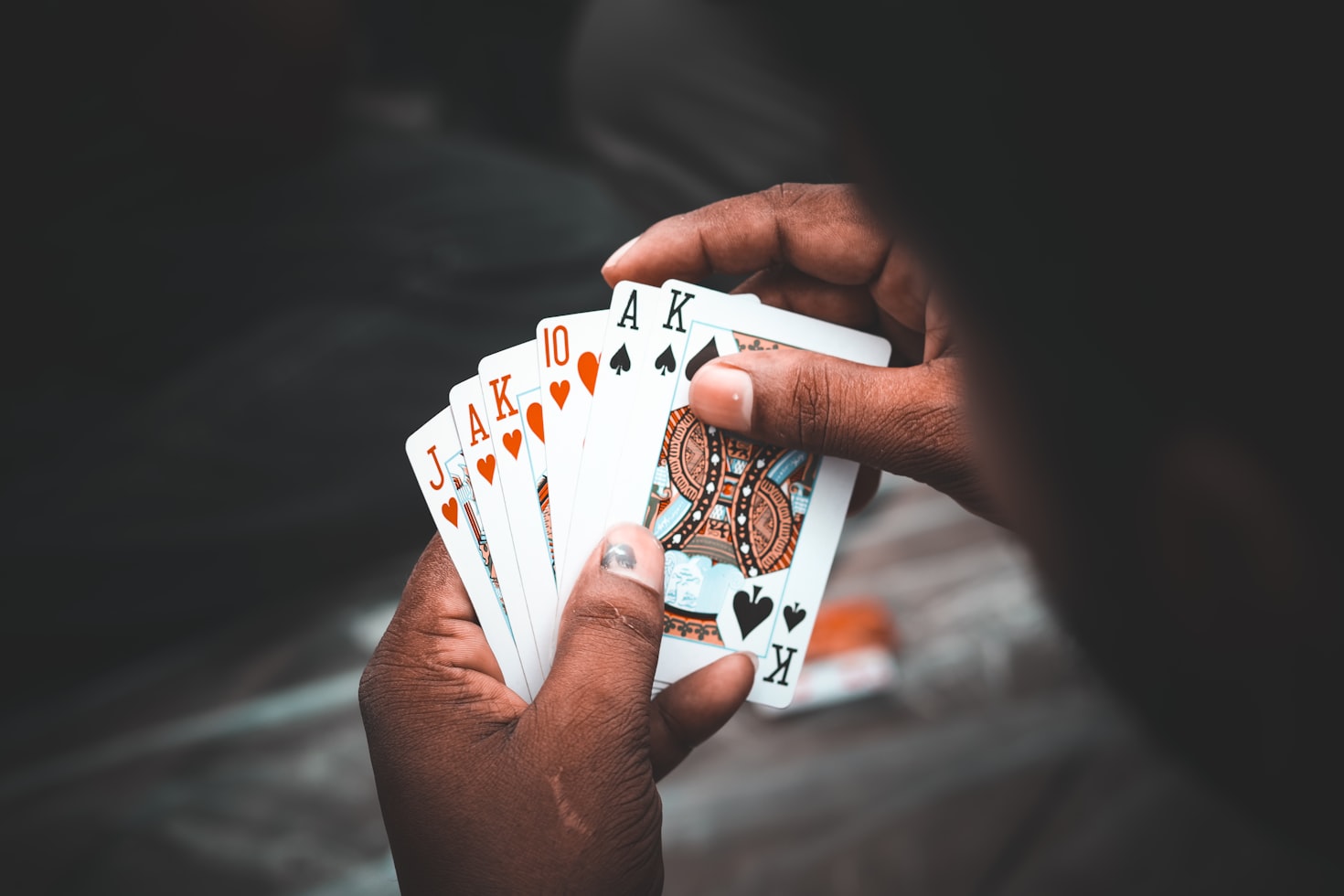
Despite these regulations, gambling flourished in underground venues, often within taverns and marketplaces. Card games gained popularity during this time, with the invention of playing cards around the 14th century. These games provided a new avenue for betting, allowing players to engage in both luck and skill. The combination of strategy and chance in card games attracted a diverse group of participants, further embedding gambling within societal norms.
As gambling persisted in various forms, its cultural significance continued to grow. The introduction of lotteries in the late medieval period exemplified a new approach to betting, where citizens could participate in larger-scale games with substantial prizes. These lotteries not only became a source of entertainment but also served as a means to fund public projects, highlighting the dual nature of gambling as both recreation and societal benefit.
The Rise of Modern Gambling
The 18th and 19th centuries ushered in the modern era of gambling, characterized by the establishment of formal gaming establishments. The emergence of casinos in Europe, particularly in cities like Monaco, provided an organized environment for betting. These venues attracted the elite and wealthy, transforming gambling into a fashionable pursuit. The allure of these casinos was not only in the games themselves but also in the social atmosphere they cultivated.
During this period, the development of standardized rules for various games, such as blackjack and roulette, helped solidify gambling as a legitimate form of entertainment. The invention of the roulette wheel by Blaise Pascal in the 17th century revolutionized the gambling landscape, adding an element of excitement that captivated players. The structure of modern casinos created a unique blend of risk and luxury, appealing to a wide audience.
The introduction of slot machines in the late 19th century marked yet another turning point in gambling history. Initially simple devices, they evolved into intricate machines with various themes and payout systems. Slot machines democratized gambling, allowing individuals to participate without the need for advanced skills. This accessibility further propelled the growth of gambling, leading to the establishment of the gaming industry as we know it today.
The Digital Revolution in Gambling
The advent of the internet brought profound changes to the gambling industry, revolutionizing how people engage with games of chance. Online casinos emerged in the late 1990s, allowing players to enjoy their favorite games from the comfort of their homes. This digital shift expanded access, providing players with a wider range of options than ever before. The convenience of online gambling attracted a global audience, altering traditional betting practices.
As technology advanced, the online gambling experience evolved to include live dealer games, mobile applications, and virtual reality experiences. These innovations enhanced player engagement, creating immersive environments that mimic the atmosphere of physical casinos. The integration of secure payment methods and robust customer support systems also bolstered trust in online platforms, making them appealing alternatives to traditional venues.
Additionally, the rise of social gaming and skill-based betting introduced new dimensions to gambling. Players can now compete against one another in various formats, blending gambling with social interaction. The emergence of cryptocurrency as a payment method further exemplified the ongoing evolution of gambling, allowing for secure and anonymous transactions. As the digital landscape continues to evolve, the gambling industry remains at the forefront of innovation.
The Role of TrueBlueBets in Today’s Gambling Landscape
TrueBlueBets is an exemplary platform that embodies the modern evolution of gambling in Australia. As a premier online casino, it offers over 200 RealTime Gaming-powered games, ensuring a diverse array of options for players. The user-friendly interface makes navigation seamless, appealing to both new and experienced gamblers. This accessibility is crucial in today’s fast-paced digital age, where convenience often dictates consumer choices.
Beyond games, TrueBlueBets emphasizes responsible gaming practices, providing tools and resources to help players maintain control over their gambling activities. With features like bonuses and cashback rewards, players can enjoy an enhanced experience while exploring the platform’s offerings. Additionally, the commitment to robust security measures ensures that users can feel safe while engaging in their favorite pastime.
TrueBlueBets not only captures the essence of modern gambling but also reflects the industry’s historical journey from ancient practices to cutting-edge digital experiences. As the gambling landscape continues to evolve, platforms like bluebets play a vital role in shaping the future of this enduring and captivating form of entertainment.