

Understanding the psychology behind gambling Why we take risks at casinos
The Allure of Risk and Reward
Gambling is often viewed through the lens of risk versus reward. The excitement of potentially winning large sums of money can trigger a powerful psychological response. This thrill is not just about the money; it’s about the anticipation and the adrenaline rush that comes with taking a chance. Many people are drawn to this high-stakes environment because it offers a temporary escape from everyday life, allowing them to experience a different reality. As they engage in these activities, they might also explore new slots sites that offer exciting games and experiences.
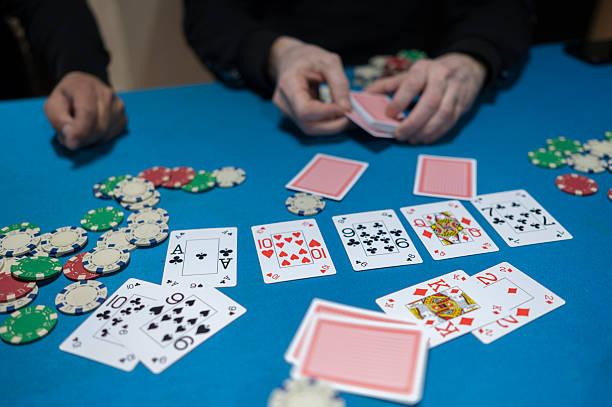
The psychology behind this allure is complex, intertwining factors such as dopamine release and the brain’s reward system. When players win, their brains produce dopamine, reinforcing the behavior and making them more likely to gamble again. This creates a cycle of behavior that can lead to both enjoyment and addiction, illustrating the fine line between responsible gambling and the risk of losing control.
The Influence of Cognitive Biases
Cognitive biases play a significant role in gambling behavior, often leading players to make irrational decisions. One common bias is the illusion of control, where individuals believe they can influence the outcome of a game of chance. This belief can encourage people to take risks they might otherwise avoid, as they feel empowered by the notion that skill can affect luck.
Additionally, the gambler’s fallacy—a belief that past events can influence future outcomes—further fuels risky behaviors. For example, a player who has lost several times in a row may feel that a win is “due,” prompting them to continue betting. Understanding these biases is crucial for anyone looking to navigate the world of gambling more responsibly.
The Role of Environment and Social Factors
The environment in which gambling occurs significantly impacts behavior. Casinos are designed to be alluring, filled with bright lights and engaging sounds that captivate visitors. This sensory stimulation enhances the gambling experience, making it easier for individuals to lose track of time and money.
Moreover, social factors can amplify the desire to gamble. Friends and family can influence decisions, whether through encouragement or peer pressure. The communal aspect of gambling can provide a sense of belonging, further entrenching individuals in the behavior. Understanding these social dynamics can help individuals become more aware of how external factors influence their gambling choices.
The Impact of Popular Media on Gambling Behavior
Popular media portrays gambling in a glamorous light, often romanticizing the lifestyles of gamblers and highlighting massive wins. This portrayal can skew perceptions, leading individuals to underestimate the risks associated with gambling. Movies and television shows often emphasize the thrill of winning, neglecting to showcase the potential consequences of excessive gambling.
The influence of media can create unrealistic expectations, encouraging novice gamblers to engage in risky behavior without fully understanding the odds. As these portrayals permeate society, it becomes essential for individuals to critically assess the messaging surrounding gambling and recognize the difference between entertainment and reality.

Understanding Gambling Resources and Support
For those who find themselves struggling with gambling behaviors, there are resources available to help navigate this complex landscape. Many organizations offer support and education about responsible gambling practices, aiming to minimize the risks associated with the activity. These resources can provide valuable information on how to maintain control and enjoy gambling without adverse effects.
Additionally, awareness of tools and services, such as account management systems, can assist players in keeping track of their gambling activities. Understanding these resources empowers individuals to make informed choices, ensuring that gambling remains a fun and entertaining pastime rather than a destructive habit.