

Okay, so check this out—I’ve spent years wrestling with hardware wallets. Wow! They promise security, but most of them live in a drawer or gather dust. My instinct said there had to be a simpler way for everyday people to actually carry cold storage without risking keys on a phone. Initially I thought the only option was a bulky dongle or seed paper, but then I ran into smart-card wallets and my whole frame shifted a bit.
Seriously? Yes. Smart-card hardware wallets flip the usual trade-offs. Short and slick. They behave like a contactless credit card. They store private keys offline and allow signing near a phone with NFC or a reader. Long story short: less fiddly for non-geeks, and more likely to be used correctly.
Here’s the thing. Ease-of-use often beats perfect security in the wild. If a solution is too painful, people skip steps, they copy seeds into notes, or they choose convenience over safety. That’s human. My gut felt off about seed phrases on paper (they get lost, water damage, or tossed). So yeah—smart-card wallets felt like a practical compromise rather than a fantasy fix.
Let me be honest. I’m biased toward solutions that fit into a pocket routine. Hmm… a card you can slide into a wallet? That hits a different set of behaviors. On one hand it’s safer than hot wallets, though actually your threat model matters a lot. If someone has physical access and you don’t have a PIN, you’re in trouble. On the other hand, a tamper-proof chip inside a card raises the bar for remote attackers.
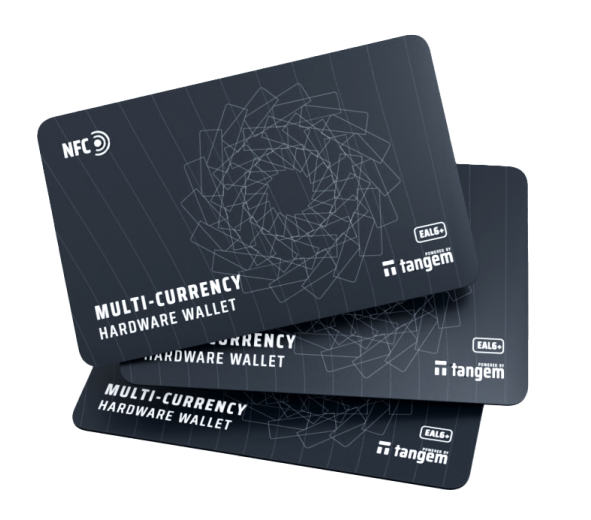
The practical case for card-style cold storage
Short explanation first. They are durable. They are discreet. They fit in a normal wallet slot. But that simplicity hides some design choices you need to understand. For example, some cards generate keys internally and never reveal them. Other designs rely on a recoverable seed that you must protect offline (paper, metal etc.). I liked the idea of a sealed key chip that will only sign transactions it sees once you approve with a PIN.
Check this real-world example—when I tried one, setup took minutes, not hours. Really? Yep. The user interface is intentionally minimal. My instinct said “too minimal,” but the UX forced safer behavior by design. That part impressed me. If you want a deeper look at a popular implementation and its specs, see this resource: https://sites.google.com/cryptowalletuk.com/tangem-hardware-wallet/
There’s a catch though. Some cards don’t support every blockchain or advanced account types like complex multisig out of the box. So if you use exotic DeFi positions or advanced contract interactions, you may need a different setup. Also, firmware updates and vendor trust matter a lot. I don’t blindly trust any single vendor, and you shouldn’t either.
On the security front, the best smart-card wallets reduce attack vectors. Short sentence. They avoid seed exposure. They minimize USB/OTG attack surfaces. They resist many remote exploits by design. But that doesn’t mean they’re magic. If someone forces you at gunpoint, or if you store PINs insecurely, then all bets are off. The human element wins or loses here, very very often.
How to think about the threat model (practical)
Start by asking who you worry about. Short. Is it casual online skimming? Organized theft? State-level actors? Different threats require different tools. For most people storing typical savings, a smart-card wallet guarded by a PIN and a separate recovery plan covers the bulk of common risks. If you’re a targeted whale, you need layered defenses—multisig, air-gapped signers, geographic separation.
On one hand, convenience drives adoption. On the other hand, you must accept tradeoffs. Initially I thought a single-card approach could be universal, but then I realized that redundancy matters. Actually, wait—let me rephrase that: one card is great for daily access, but you still need a backup strategy that survives fire, flood, or a lost wallet. Metal backups plus distributed geographic copies are underrated here.
Here’s a tiny checklist that helped me and others I advised:
– Use a PIN and change it from defaults. Short.
– Keep a non-digital recovery (metal plate or secure paper), stored separately. Medium sentence with detail.
– Test recovery before staking major funds. Longer thought: people often assume recovery will work when needed, though actually many run into lost seeds or damaged backups because they never practiced the restore process.
Oh, and by the way… don’t store the PIN in the same place as backup. I know that sounds obvious, but folks do it. Really, they do.
User scenarios—when a card is right for you
If you want a low-friction cold store for everyday holdings, a card is excellent. If you travel and want something discreet, it’s practical. If you run a small biz and need a quick signer for payroll, it’s fast. But if you manage complex custody requirements or institutional compliance, a single-card solution likely won’t cut it.
One anecdote: a friend of mine moved their travel stash into a card and stopped fretting about phone malware. They slept better. That mental shift is underrated. Security is partly psychology. If a tool reduces anxiety and encourages safer behavior, that has real value. I’m not saying it solves everything, but it’s an improvement for many.
There’s also the maintenance angle. Cards generally require less firmware fiddling than general-purpose hardware wallets. That sounds small, but updates and complicated setup are what drive people back to unsafe shortcuts. Keeping it simple reduces human error.
FAQ
Is a smart-card wallet as secure as a traditional hardware wallet?
It depends. Short answer: often comparable for many users. Longer answer: security depends on the card’s chip, firmware practices, PIN protections, and your backup plan. Some cards are certified and very robust; others less so. Do your diligence and understand the card’s recovery model.
What happens if I lose the card?
You need a recovery plan. If the card exposes a recoverable seed, restore on a new device. If it’s designed without exportable keys, you rely on your offline backup. So prepare a tested recovery and keep it in a separate secure location—safes, bank safe deposit boxes, or trusted custodians. I’m not 100% sure on your specific case, but plan for loss.
Can smart-card wallets handle DeFi and contract interactions?
Some can, but many are limited. For simple transfers and common tokens they’re fine. For complex contract calls or advanced DeFi flows you may need a more flexible device or a hybrid workflow that uses multisig or specialized signers. Check compatibility before committing large positions.